

Solar energy is a topic that has gained significant traction in recent years, with its potential to revolutionise the way we power our world. However, amidst the buzz surrounding this renewable energy source, the fundamental question remains: is solar energy renewable? To fully understand the answer, it’s crucial to delve into the characteristics of solar energy and what sets it apart from other energy sources. In this blog post, we will explore the renewability of solar energy and highlight key facts that make it a crucial player in the global shift toward sustainable energy solutions.
Definition of Renewable Energy
Renewable energy comes from natural resources or processes that are constantly replenished. This includes sunlight, wind, rain, tides, and geothermal heat. Unlike finite resources like fossil fuels, which can take millions of years to form and are depleted much faster than they’re formed, renewable resources can sustain our energy needs indefinitely without the risk of running out. The core of renewability lies in an energy source’s ability to be sustained and used over long periods without diminishing the natural resource base.
Characteristics of Solar Energy
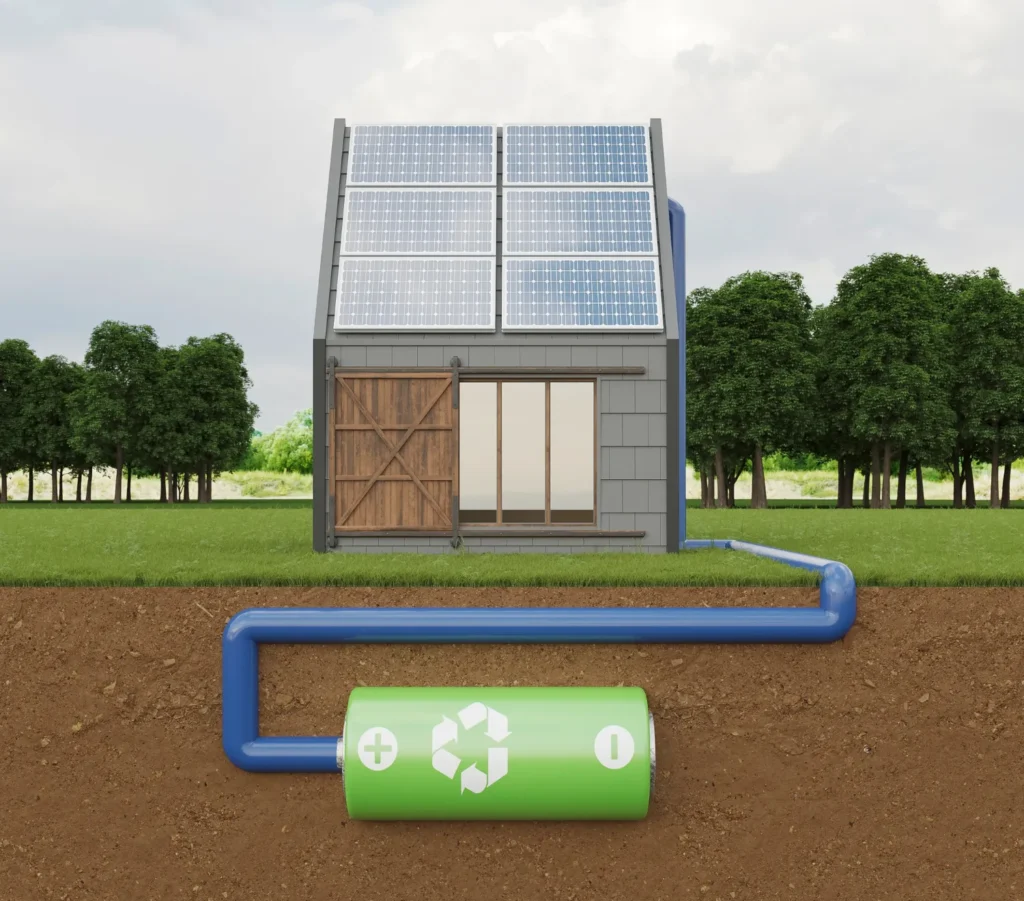
Solar energy, by its very nature, embodies the essence of what it means to be a renewable resource. This is primarily due to two intrinsic characteristics: inexhaustibility and natural replenishment.
Inexhaustibility
At its core, solar energy is harnessed from the sun’s rays, a source of power so vast and relentless that it can be deemed virtually limitless from a human perspective. The sun emits energy every second that can fulfill the global energy demand many times over, making it an epitome of inexhaustibility.
Natural Replenishment
Natural replenishment further solidifies solar energy’s status as a renewable resource. The sun, expected to continue its fusion reaction for billions of years, consistently bathes the Earth in a powerful yet benign light. This process ensures that solar energy, unlike fossil fuels, doesn’t deplete over time. Instead, it’s perpetually available, day after day, year after year, without any decrease in the sun’s output on a human timescale.
The Environmental Benefits of Using Solar Energy
The environmental benefits of utilizing solar energy are profound and multifaceted, directly addressing the urgent need for sustainable and clean energy sources.

Low Carbon Footprint
Solar energy significantly reduces the carbon footprint associated with energy production. By harnessing the sun’s power, we eliminate the need for burning fossil fuels, which are the primary contributors to greenhouse gas emissions. This shift not only combats climate change but also promotes healthier air quality, reducing pollution and its associated health risks.
Sustainability
Sustainability is another pivotal advantage of solar energy. As a renewable resource, solar energy ensures a sustainable energy supply that can support future generations without depleting the Earth’s natural resources. This aspect is especially crucial as it aligns with global efforts to transition towards more sustainable lifestyles and economies. The use of solar energy fosters a more harmonious relationship with our environment, preserving it for future inhabitants while meeting our current energy needs.
Technological Advancements

Technological advancements have significantly bolstered the argument that “Is solar energy renewable?”. Innovations in photovoltaic (PV) technology and solar thermal collectors have improved the efficiency and reduced the cost of harnessing solar power, making it more accessible and sustainable than ever before. These advancements ensure that solar energy can meet a larger portion of the global energy demand while maintaining its status as a renewable resource. As technology continues to evolve, the capacity to capture and utilize solar energy will only enhance, reaffirming solar energy’s role in the renewable energy landscape.
Solar Energy in the Context of Global Sustainable Energy Goals
In the pursuit of global sustainable energy goals, solar energy stands as a beacon of hope and progress. By answering the question, “Is solar energy renewable?” with a resounding yes, we spotlight its invaluable contribution to sustainable development initiatives. Its role extends beyond mere energy provision, weaving into the fabric of social and economic advancements by fostering energy independence and security. As nations strive towards the ambitious targets set forth by the United Nations, the adoption of solar energy illuminates the path towards a more sustainable, equitable, and renewable energy-driven future, reinforcing its critical place in global sustainability efforts.

Go Solar and Save
Embrace the future of energy with Solar Panels Kelowna. Transitioning to solar not only champions environmental stewardship but also offers significant savings on energy bills. Our expert team is dedicated to designing and installing efficient solar solutions tailored to your needs. Begin your journey towards a sustainable and cost-effective energy future today. Contact Solar Panels Kelowna for a consultation and discover how easy it is to make a difference for both the planet and your pocketbook.