
When it comes to harnessing the power of the sun, a solar inverter plays a crucial role in converting the sun’s energy into usable electricity. With the increasing popularity of solar energy, the market is flooded with a variety of inverters, each with its unique features and capabilities. However, choosing the best one for your specific energy needs can be a daunting task. That’s why we’ve compiled expert tips and insights to help you navigate through the sea of options and make an informed decision.

Different Types of Solar Inverters and Their Applications
Solar energy systems have come a long way, with advancements in technology leading to various types of inverters designed to meet specific needs. Understanding the differences among these solar panel inverters is key to optimizing your solar energy system’s performance.
String Inverters
String inverters are commonly referred to as solar array inverters. These are the most traditional type of inverter, connecting a series of solar panels (or an array) in a string to a single inverter. String inverters are cost-effective and suitable for installations where solar panels are positioned to receive similar sunlight exposure, ensuring uniform energy production.
Microinverters
Microinverters represent a significant evolution in inverter technology. Unlike string inverters, solar micro inverters are installed on each solar panel. This setup allows for panel-level optimization, which is particularly beneficial for installations where panels might experience varied shading or orientation. By maximizing the output of each panel, solar micro inverters can significantly enhance the overall efficiency and reliability of a solar power system.

Central Inverters
Central inverters akin to a larger version of string inverters, are designed for utility-scale applications. These power inverter solar solutions are used in large solar farms, where they convert the DC electricity generated by hundreds or even thousands of panels. Central inverters are highly efficient in managing large volumes of solar energy, making them an ideal choice for commercial or industrial solar projects.
Key Features to Consider When Selecting
When choosing an inverter for solar power, several key features should be top of mind to ensure that you’re selecting a product that not only matches your energy needs but also offers reliability and efficiency. Understanding these features can greatly impact your decision-making process, leading to a more optimized solar energy system.
Efficiency
Efficiency is paramount. A high-efficiency solar power inverter ensures that a maximum amount of the generated DC power is converted to AC power, minimizing energy loss. This is particularly important when evaluating hybrid solar inverters, which manage power from solar panels and the grid or a battery system. The higher the efficiency, the more effective your system will be at providing usable energy.
Durability and Warranty
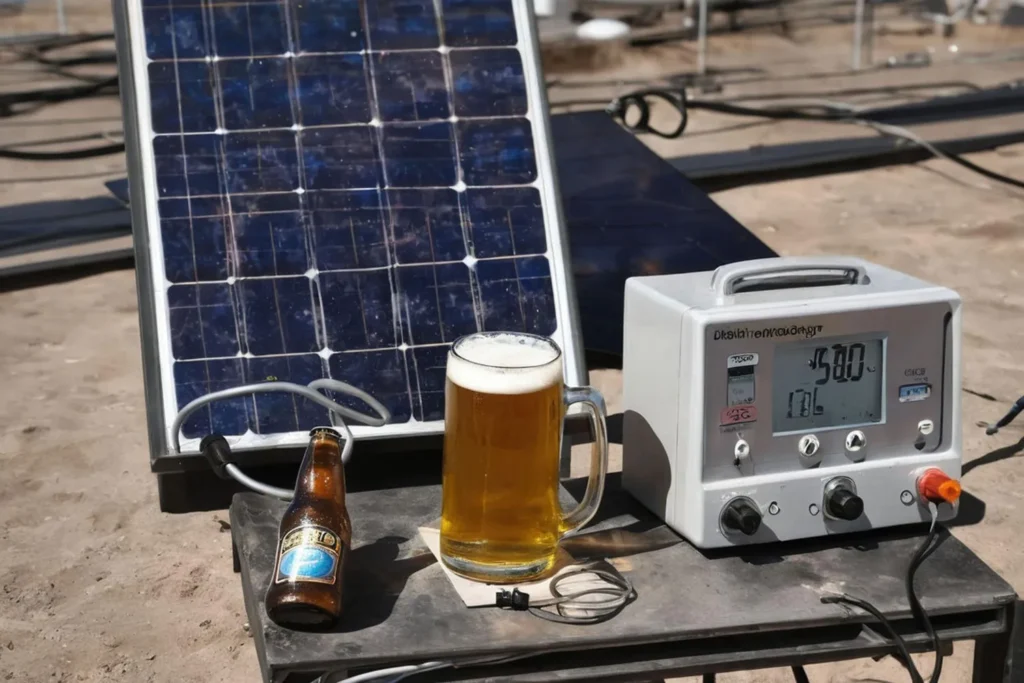
Durability and warranty are also critical considerations. The solar energy inverter is going to be exposed to environmental elements and varying temperatures, which can impact its lifespan. Look for products with robust construction and protective features against common issues like overheating. Additionally, a comprehensive warranty can offer peace of mind, ensuring that your investment is protected.
Monitoring and Smart Features
Monitoring and smart features have become increasingly important in the realm of solar technology. A solar edge inverter with advanced monitoring capabilities allows you to track your system’s performance in real time, optimizing energy usage and identifying any issues promptly. Smart inverters also enable integration with home automation systems, offering greater control and efficiency.

Safety Features
Safety features should not be overlooked. Look for inverters with built-in protections against electrical faults, surges, and other potential risks. This not only protects your solar setup but also ensures the safety of your home and family.
Balancing Cost and Performance
Finding the right balance between cost and performance in choosing your inverter is crucial for maximizing the value of your investment. It’s essential to compare the initial purchase price against the long-term benefits, such as efficiency, durability, and potential savings on energy bills. While high-performance inverters solar power systems might come with a higher upfront cost, they often lead to greater savings in the long run by optimizing energy production.
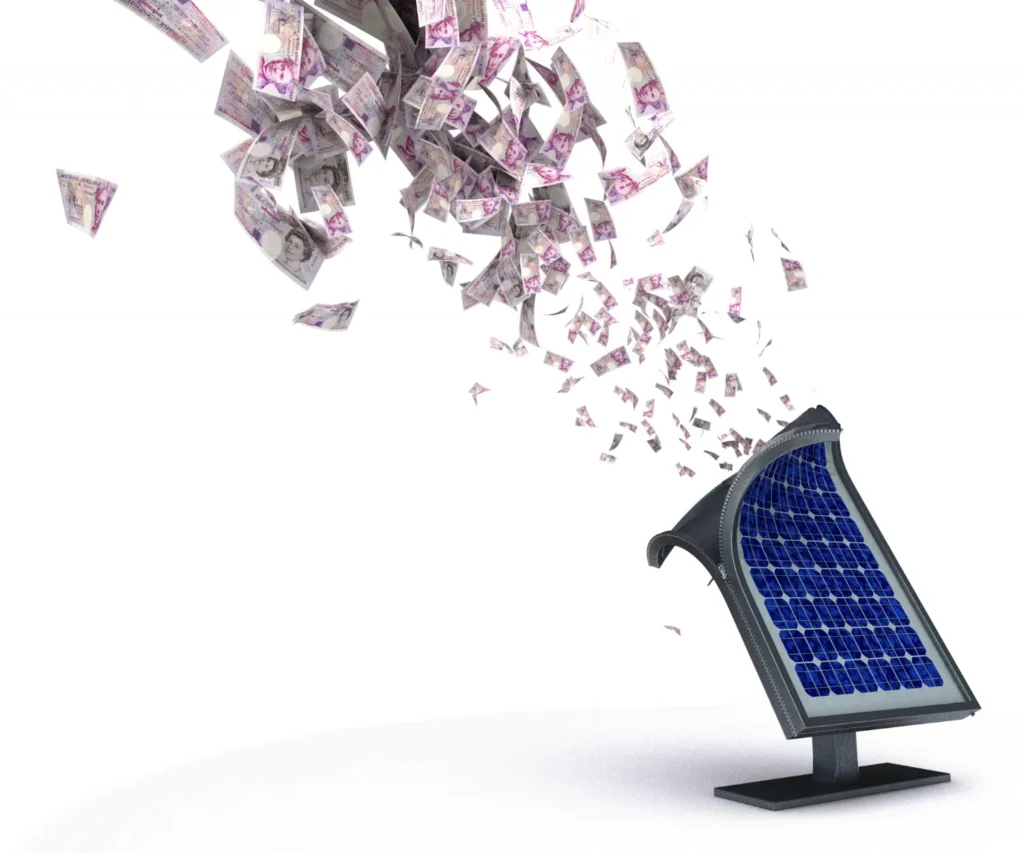
Conversely, opting for a less expensive model might save money initially but could result in lower efficiency and higher operational costs over time. Consider your specific energy needs, installation setup, and budget to make an informed choice that aligns with both your immediate and long-term financial goals.
Call Experts for Installation
When it’s time to integrate inverters for solar panels into your energy system, having a team of seasoned experts can make all the difference. Solar Panels Kelowna specializes in seamless installation and optimization, ensuring your setup is efficient and tailored to your specific needs. Our knowledgeable technicians are here to guide you every step of the way, from selecting the right inverter to final installation and system checks. Trust Solar Panels Kelowna to empower your solar energy journey with professional advice and unmatched service.